
A 24-year-old man named Ayan Banerjee is walking the length of India’s coastline with one backpack and thousands of seed packets stuffed in his jacket, The Times of India reports. He started in the Sundarbans in March and plans to finish in Gujarat this December, covering about 7,000 km (4,350 miles) on foot.
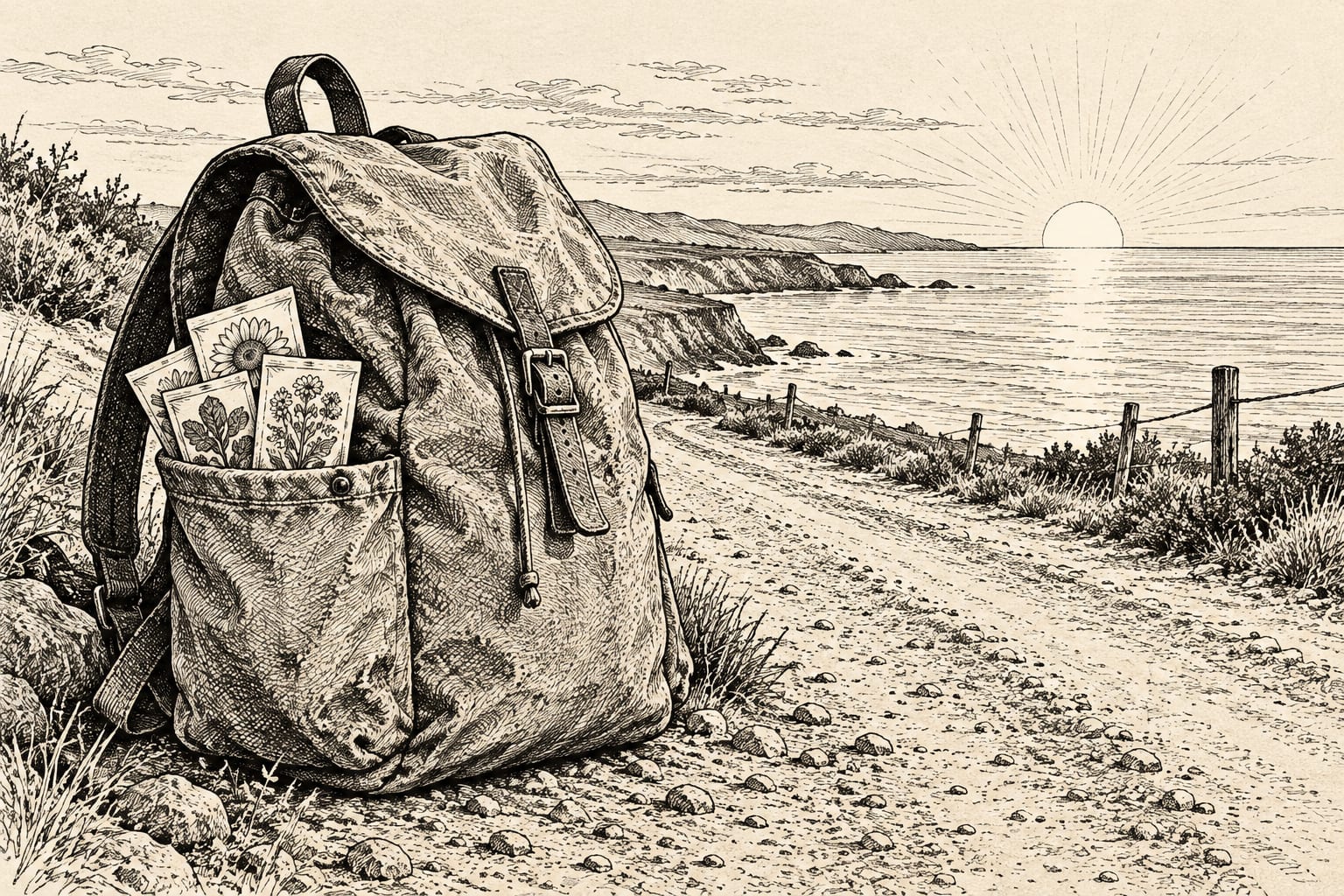
Here at Good Earth Montana, we write about bags and everyday carry gear that’s built to last. A walk like this is a real-world test of what “buy once, carry for years” actually means, since Banerjee’s pack has to survive months of sun, rain, and dust with no backup.
How to spot it
Here are the facts from the report, in plain terms
- Distance: About 7,000 km (4,350 miles) total, walked in daily stretches of 35 to 45 km (22 to 28 miles).
- Route so far: West Bengal, Andhra Pradesh, Karnataka, Tamil Nadu, Kerala, and Goa, with Maharashtra entered as of Friday.
- Goal: Raise awareness of environmental sustainability, animal welfare, and traditional organic farming.
- Seeds given out: Over 9,000 organic vegetable seed packets handed to 35 institutions along the way.
- Where he sleeps: Floor mats at NGOs, blind schools, old-age homes, orphanages, ashrams, medical centers, Ayurvedic retreats, and roadside dhabas (small highway food stalls).
In Goa, Banerjee met Sanjiv Khandelwal of Sensible Earth, a group behind the MakaNakaPlastic campaign. That project swaps single-use plastic bags for reusable ones stitched by self-help groups and marginalized women. Banerjee said it’s a workable model for cutting waste, which matters in a state that pollution reports have flagged for high per-capita plastic waste.
His Goa stop also included time at the ASRO Community Care Centre in Tivim, run by Caritas Goa, where he spent time with children living with HIV/AIDS. He said he plans to come back next year and take some of those students to see dolphins in Odisha. He also talked about marine ecology and coastal biodiversity with Nester Brian Fernandes of Canopy By The Coast, and discussed sustainable fashion with women at the Bethesda Life Centre.
What it means for readers
You don’t need to walk across a country to take something from this story. If you’re a commuter, traveler, or anyone who leans on one bag every day, Banerjee’s trip reminds us that gear only matters if it holds up when you need it most.
A few carry lessons worth borrowing
- One main bag, used daily, for months: that’s the real stress test for straps, seams, and zippers, not a store shelf.
- Simple, repairable materials like full-grain leather, canvas, or hemp tend to age better on the road than flashy synthetics.
- Packing light matters: Banerjee carries seed packets and basics, not extra weight he doesn’t need.
If you’re shopping for a travel bag or daily pack this season, this is the kind of real use case to judge it against. A bag that can handle five months of dhabas and ashram floors says more than any marketing copy.
What to do if this story got you thinking about your own gear
You don’t need to start a cross-country walk to check your own setup. Here’s what you can do today:
- Pull out your daily bag and check the seams and strap stitching for wear.
- Think about how many miles or months you actually expect it to last, not just how it looks.
- If you’re buying new, look for natural materials that can be patched or resewn instead of tossed.
- Pack only what you’d be willing to carry 35 km (22 miles) a day, every day.
Banerjee’s walk is still going, with Gujarat as the finish line this December. Whether or not you ever carry a pack that far, it’s a good nudge to check what’s in your own bag today, and whether it’s built to go the distance.
Source: The Times of India
Catch up on our earlier post: Missoula’s Fashion Show Turns Old Clothes Into a Climate Fix