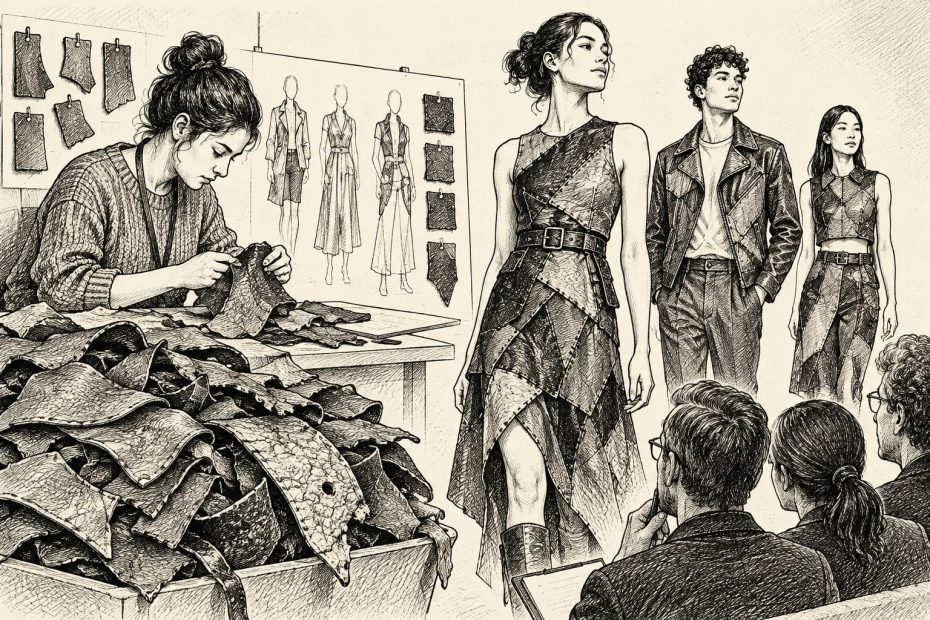
Four students from around the world have won top honors in a global design contest that turns leftover leather into new clothes, bags, and shoes.
The contest is called Real Leather. Stay Different. International Student Design Competition. It happens every year and is paid for by the Leather and Hide Council of America, working with a group called Arts Thread. This year’s winners come from schools in Israel, the United States, Germany, and Vietnam. All of them get to compete for the top prize on October 29 at the Jim Thompson House in Bangkok, Thailand. They will compete alongside the winner from Thailand’s own national contest.
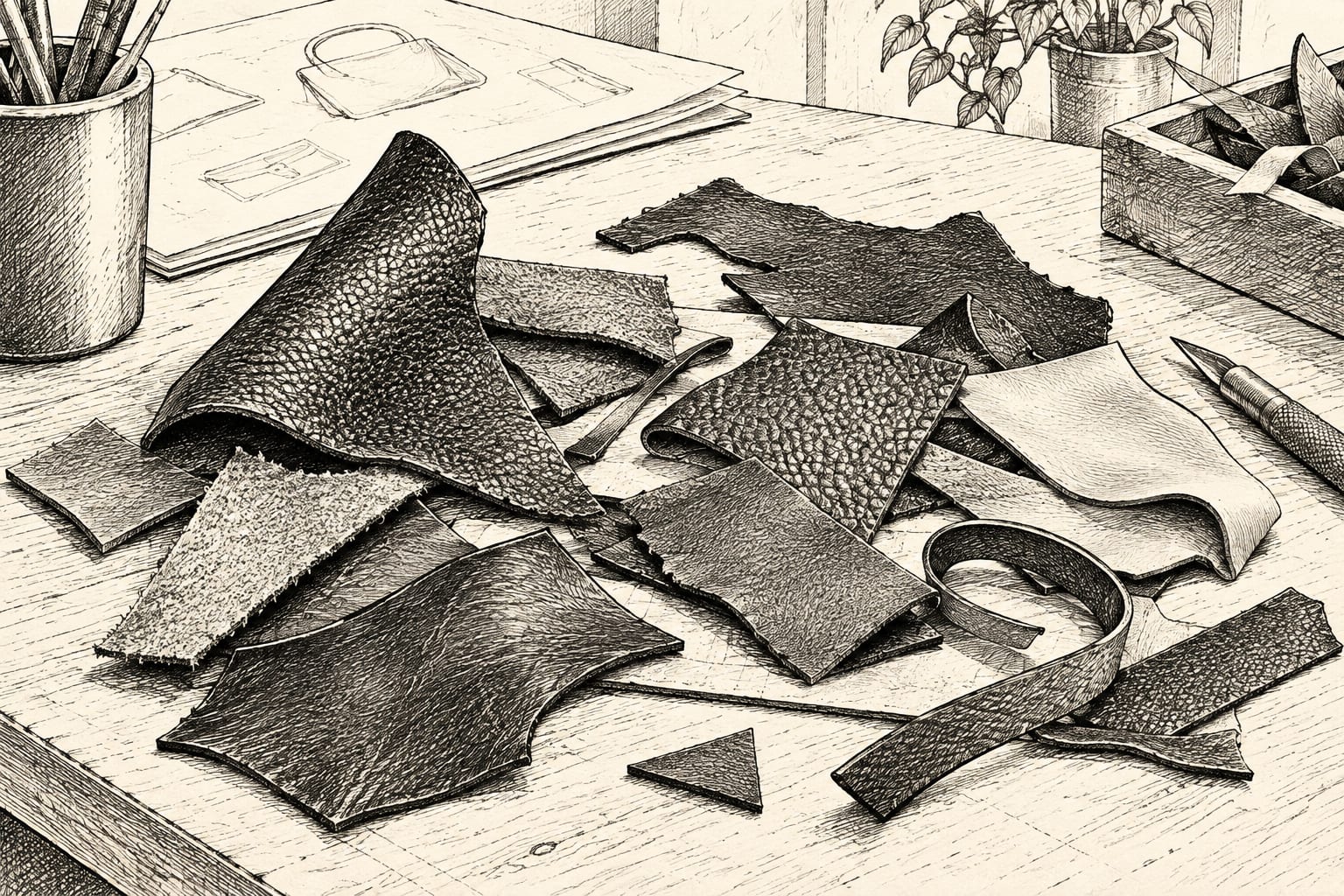
Here is the idea behind the contest. Leather factories often throw away small scraps and offcuts after they cut big pieces for shoes or jackets. This contest asks students to take those leftover pieces and turn them into something new and wearable. It is a way to fight against fast fashion, which is cheap clothing made quickly and thrown away just as fast.
What this means for you
You might wonder why a student design contest matters to you. It is a small but clear sign of where fashion is headed. More brands and schools are pushing designers to waste less material and think harder about where their clothes come from.
Here is what the winners made
- Tal Zohar, a student at Shenkar College in Israel, won the apparel award. She made a jacket with quilted leather, styled after 1970s sportswear.
- Siang-Ying Lu, a student at the School of the Art Institute of Chicago (SAIC), won the accessory award. She made a bag out of one single piece of folded leather, with no cuts at all.
- Roscha Dinler, a student in Germany, won the footwear award. She built shoes directly on shoe molds using scrap leather, joined together using a method inspired by Japanese ceramic repair.
- Tran Trong Nghi Nguyen, a student at Ton Duc Thang University in Vietnam, won the People’s Choice award, which means other people voting in the contest picked this design as their favorite.
- Kittidech Chankraithong, the winner from host country Thailand, made a collection that uses traditional Thai royal gilding, a decorative gold technique, and explores the culture of public transit in Thailand.
All five projects share one goal. They try to use as little new material as possible. Instead, they lean on leftover leather and traditional craft skills passed down over many years.
This site exists to explain stories like this one in plain words, for people who are busy but still want to understand what is happening in fashion and business. You should never need a dictionary to read the news, and that is the goal here too.
The contest also says something bigger about fashion schools today. More of them are teaching students to think about where materials come from and what happens to waste. Instead of only working with new fabric, students are learning to build with what already exists.
This matters for the fashion industry too. When students practice working with factory leftovers, they learn skills that real manufacturers can use later. It also gives schools a way to measure their students against design programs around the world, and it connects classroom work to real trade groups and leather makers.
The final event in Bangkok will bring together all the winners, including the host country’s pick, to compete for the overall title. No single winner is being named yet. That decision comes after the October 29 event at the Jim Thompson House.
If you want to understand how fashion is changing, keep an eye on contests like this one. They often show where big trends start, long before they show up in stores. The next step for you is simple: watch for the results from the Bangkok event later this month, and notice how many future fashion stories trace back to small ideas like turning scrap leather into something new.
Source: Fashion United
Related reading from us: Carhartt’s Streamlined EDC Bag Prioritizes Rugged Everyday Utility