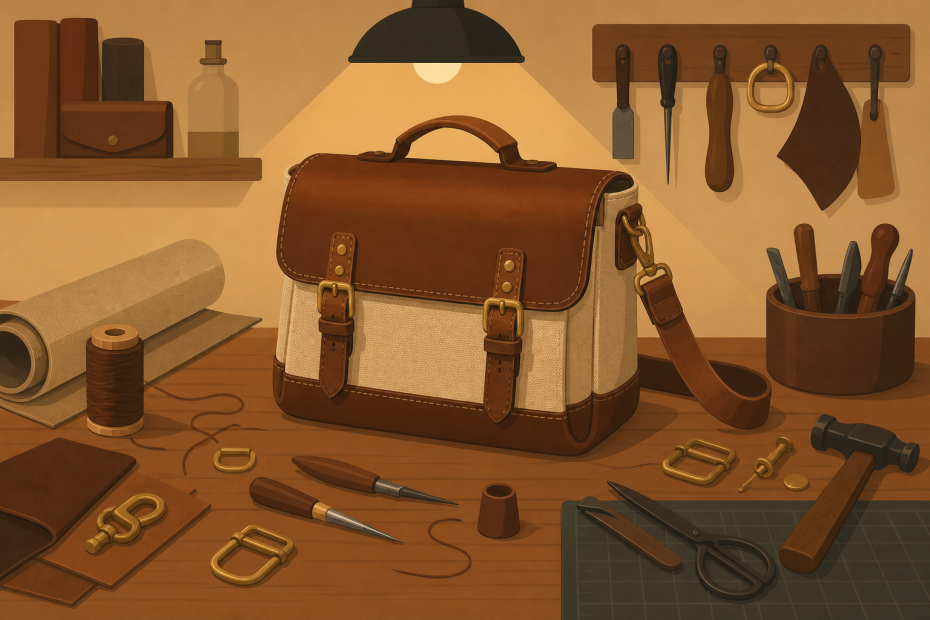
An artisan-made bag is the opposite of fast fashion: it is made by hand or in small batches, using traditional techniques, with materials sourced from local or regional suppliers. The story behind the bag — who made it, where the materials came from, and how it was constructed — is as important as the bag itself.
Artisan-Made Sustainable Bags: Craftsmanship, Materials, and the Stories Behind Them
Sponsored: This article features products from brand partner campaigns on Amazon. We may earn a commission from qualifying purchases made through the product links in this post, at no extra cost to you.
Artisan-made bags prioritize quality over quantity, durability over disposability, and transparency over marketing. An artisan bag typically costs more upfront but lasts 10–20 years, making the cost per use lower than a cheap bag replaced every year.
The Short Answer
Look for stitched construction (not glued), full-grain leather or heavy canvas, hand-stitched details, brass or stainless steel hardware, and a clear warranty with repair service. The brand should be transparent about makers, materials, and methods.
What to Look For
Stitched construction (repairable), full-grain leather from known tannery, heavy canvas from regional mill, hand-stitched details, brass or stainless steel hardware, leather or canvas lining. Brand should disclose who made the bag and where materials come from.
What to Inspect in an Artisan Bag
| Component | Quality marker | Red flag |
|---|---|---|
| Construction | Stitched (repairable) | Glued (unrepairable) |
| Leather | Full-grain from known tannery | Unlabeled or bonded leather |
| Hardware | Brass or stainless steel | Cheap plated metal |
| Warranty | Clear repair service | No warranty or contact |
Why Artisan Bags Are More Sustainable
Less energy, less waste, made to order or in small batches, designed to be repaired. The most important sustainability metric: staying in use longer.
Featured Products
A durable canvas tote with reinforced stitching: See the canvas tote bag on Amazon.
A structured crossbody with organized pockets: See the compact crossbody bag on Amazon.
FAQ
Are artisan-made bags more expensive? Yes — $100–$500 vs $30–$100. Cost per use is lower because they last 10–20 years.
How do I find an artisan bag maker? Look on Etsy or similar platforms. Check for transparency about materials and production methods.
Can an artisan bag be repaired? Yes — stitched construction allows repair. Many makers offer repair services.
What Artisan-Made Actually Means: The Craft Chain
“Artisan-made” is one of the most overused words in bags, and the honest buyer understands what it should mean. At its best, artisan-made describes a real chain: a skilled maker (or small workshop) cutting, stitching, and finishing the bag by hand or with minimal machinery, often working with materials sourced from known suppliers. The markers of genuine artisan work: visible hand-stitching details, small production numbers, a named maker or workshop, and materials with a traceable source. The things that are not artisan-made: factory bags with a “handmade” label, mass-produced items with a founder’s story attached, and any product that cannot answer “who made this, where, and from what?” The distinction matters because artisan work carries real value — the skill, the time, and the small-scale production justify the price, and the buyer who can verify the craft chain is the buyer who gets what they pay for.
Supporting Artisans Sustainably: What to Look For
Choosing artisan-made bags is a sustainability decision with three checks. First, verify the maker: real artisan workshops share their process, their materials, and their people — photographs of the workshop, named makers, and honest material sourcing are the signals. Second, check the material chain: an artisan bag is only as sustainable as its leather, canvas, or recycled content, and the certifications (LWG leather, GOTS cotton) apply to artisan work too. Third, consider the longevity: artisan construction — hand-stitched seams, quality hardware, repairable design — is built to last and be repaired, which is the sustainability payoff. The economics work out: an artisan bag costs more upfront but serves for decades, and the purchase supports a craft tradition and a maker’s livelihood rather than a supply chain. The artisan choice is the alignment of quality, ethics, and sustainability in one purchase.
Artisan vs. Mass-Produced: An Honest Comparison
The artisan-versus-mass-produced comparison deserves honesty rather than romanticism. Mass-produced bags offer consistency, lower prices, and modern quality control — a factory bag from a good brand can be genuinely well made. Artisan bags offer individuality, visible craft, and often superior materials — but quality varies by maker, and the artisan label alone guarantees nothing. The honest comparison: an artisan bag earns its premium when the craft is real (hand-stitching, quality materials, a named maker) and the durability follows; a well-made mass-produced bag earns its value when the construction is sound. The sustainability angle: both can be sustainable if they last and are used for years; both can be waste if they fail or go unused. The buyer’s job is to evaluate the bag’s actual construction — artisan or factory — and choose the one that will serve longest.
Key Takeaways
- Artisan bags prioritize stitched construction, full-grain materials, and transparent sourcing.
- A quality artisan bag lasts 10-20 years, lowering cost per use below cheap replacements.
- Inspect stitching, leather, hardware, and warranty before buying.
- Artisan production uses less energy and waste than mass manufacturing.
- Mass-produced bags can be well made too — evaluate each bag on its own merits.
Disclosure: This article contains sponsored content and product links. If you make a purchase through the links in this post, we may earn a commission at no extra cost to you. Product evaluations are based on published specifications, industry guidance, and verified owner feedback.