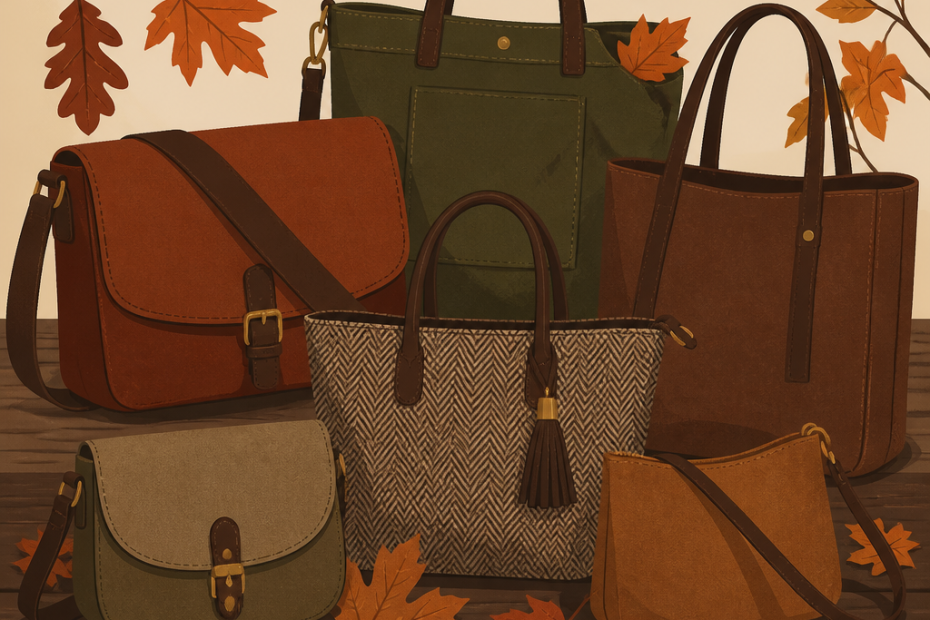
Fall is fashion’s real new year. While January brings resolutions, September brings the collections that set the tone for the next twelve months — and for sustainable bags, the 2026 fall season has a clear direction: earth tones, softer silhouettes, and materials that wear their ethics on the outside. This guide covers the sustainable bag trends worth knowing for fall 2026, how to wear them, and what to buy if you want pieces that outlast the season.
Sponsored: This article features products from brand partner campaigns on Amazon. We may earn a commission from qualifying purchases made through the product links in this post, at no extra cost to you.
The Fall 2026 Direction: Quiet, Warm, and Built to Last
The big story for fall 2026 is the retreat from loud logos and micro-trends toward something more durable: warm earth tones, functional silhouettes, and materials with visible provenance. Designers are leaning into colors pulled from the landscape — chestnut, olive, rust, oat, and deep forest green — that pair with the season’s wool coats and leather boots. It is a palette that makes a bag feel like it belongs, rather than like it is performing.
For sustainable shoppers, this shift is good news. Earth tones hide honest wear, functional designs get used more, and materials like full-grain leather, waxed canvas, and plant-based alternatives are the natural fit for the season’s aesthetic. The trend is essentially “buy better, keep longer” when wearing a trench coat.
The Four Fall 2026 Bag Trends
| Trend | What it looks like | Why it is sustainable |
|---|---|---|
| Earth-tone leather and vegan alternatives | Cognac, chestnut, olive shades | Hides wear, ages gracefully |
| Functional, structured messengers | Real compartments, secure closures | Used daily, built to repair |
| Texture as a statement | Visible weave, grain, hand-finish | Signals human craftsmanship |
| Multi-function, travel-ready | Convertible straps, laptop sleeves | Fewer bags used more |
Trend 1: Earth-Tone Leather and Vegan Alternatives
Fall 2026 is warm and grounded. Cognac, chestnut, and olive bags dominate — shades that work across every autumn outfit and age gracefully as they develop a patina. In the vegan leather space, the focus is on quality over novelty: plant-based materials that look and wear like leather rather than shiny plastic substitutes. The key test for any “leather” bag this season is whether it will look better in year three than in week one — the honest ones will.
See the sustainable leather messenger bag on Amazon
Trend 2: Functional, Structured Messengers
After years of tiny bags that barely hold a phone, fall 2026 swings back to function: structured messenger bags with real compartments, secure closures, and room for a tablet or book. The return of the messenger is partly practical — people are carrying more again — and partly aesthetic: a structured bag reads as intentional and polished. Look for water-resistant materials, adjustable straps, and interiors with actual organization rather than a single dark void.
This is also where sustainable materials shine: waxed canvas and full-grain leather messengers are built to be repaired and carried for a decade, which is the most sustainable thing a bag can do.
See the crochet tote bag on Amazon
Trend 3: Texture as a Statement
With logos out, texture is the new branding. Fall 2026 bags lean into visible weave, grain, and hand-finished detail: crochet and knit textures in warm neutrals, pebbled and vegetable-tanned leathers, and canvas with a pronounced weave. These textures photograph well, feel substantial, and — crucially for the sustainability story — signal the human hands behind the product. A bag you can see was made is a bag you are more likely to keep.
Trend 4: Multi-Function and Travel-Ready
The “one bag does everything” trend continues into fall: convertible bags that switch from shoulder to crossbody, totes with laptop sleeves, and carry-ons sized for both the airport and the daily commute. The sustainability logic is simple — fewer bags, used more, means less production and less waste. When you buy one bag that covers work, travel, and weekends, you are not buying three.
How to Build a Fall 2026 Bag Wardrobe
You do not need a new bag for every trend. A small, intentional collection covers the season:
- One structured messenger in an earth tone for work and commuting.
- One textured casual bag — crochet, canvas, or knit — for weekends and social plans.
- One convertible travel piece if you fly or commute with gear.
Choose materials with visible provenance — named leathers, organic cotton, recycled fibers — and a brand that stands behind repairs. That is the fall 2026 philosophy in practice: fewer, better, warmer.
Care Tips for Fall Bags
Fall weather is hard on bags: rain, mud, and temperature swings. A few habits keep them looking new:
- Waterproof leather and canvas bags before the season starts; reapply every few months.
- Wipe down wet bags immediately and let them air-dry away from heat sources.
- Rotate bags so none sits damp or overstuffed for weeks.
- Condition leather every season to keep it supple through cold weather.
- Store bags stuffed with tissue in a dust bag — shape retention is the secret to longevity.
Frequently Asked Questions
Are earth tones really more sustainable than black? Not inherently — color does not change a material’s footprint. But earth tones show wear less, which means bags get replaced less often, and they pair with more outfits, which increases use. The sustainability comes from longevity and utility, not the pigment.
Is vegan leather better than real leather for fall? It depends on the specific material. High-quality plant-based leathers (cork, apple, Piñatex) have strong stories; PVC and PU “vegan leathers” are petroleum-based and less durable. For fall’s structured bags, a well-made full-grain leather or waxed canvas often outlasts both.
How many bags do I actually need? Three well-chosen bags cover most people: work, casual, and travel. The sustainable choice is not the number — it is buying each one to last and using it fully.
Will fall trends carry into spring? Earth tones and functional silhouettes are slow trends, not flash ones — they typically carry across seasons and evolve rather than vanish. That is exactly what makes them good sustainable purchases.
What should I look for in a “sustainable” fall bag? Specific claims you can verify: named materials, certified leather or organic cotton, a published workshop, and a repair program. Vague “eco” labels are marketing; checkable details are substance.
Key Takeaways
- Fall 2026 is about earth tones, structured messengers, texture, and multi-function design.
- Cognac, chestnut, and olive shades hide wear and age gracefully.
- Structured bags with real compartments are back — function over tiny silhouettes.
- Texture is the new branding: visible weave and grain signal craftsmanship.
- One travel-ready bag covering work, travel, and weekends means buying fewer bags.
Disclosure: This article contains sponsored content and product links. As an Amazon Associate, we may earn from qualifying purchases. Prices and availability were checked at the time of writing and may change.